Best Time for Dolphin Watching in the Algarve
You can stand on the golden cliffs above Ponta da Piedade for three hours and see nothing except diving gulls and bobbing lobster pots. Out on the open water, five miles into the rolling Atlantic swell, the ocean changes entirely within seconds. Finding the best time for dolphin watching in algarves coastal waters is less about blind luck and much more about reading the wind, the sea temperature, and the daily feeding cycles of resident pods.
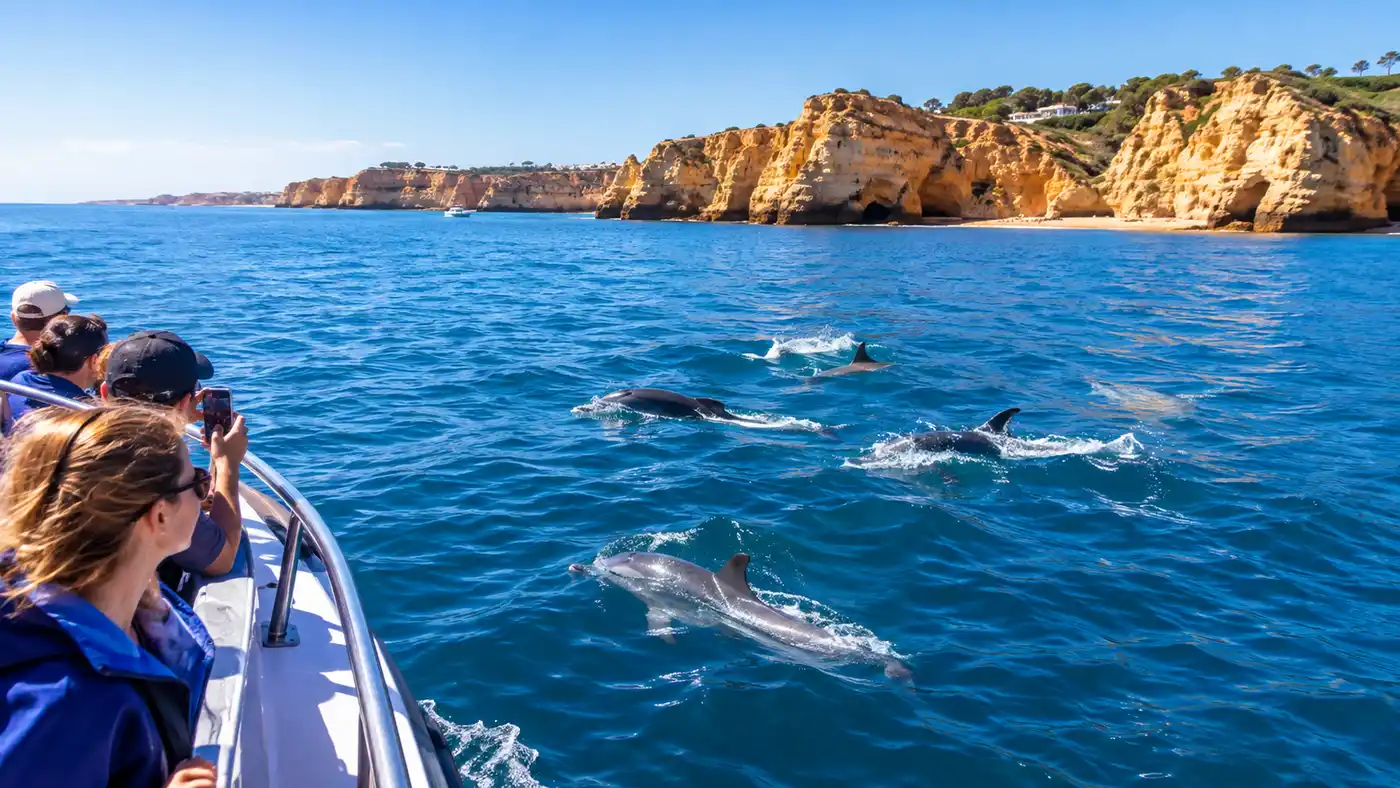
I learned that lesson the hard way during a choppy November excursion outside Lagos. We bounced across whitecaps for two freezing hours, spotted zero dorsal fins, and returned to harbor with numb fingers and sea-crusted sunglasses. Four days later, on a quiet Tuesday morning with glass-calm water, fifty common dolphins flanked our hull, leaping in sync across our wake for forty minutes straight. The dolphins live off southern Portugal every single month of the year, but the window you pick changes everything about your day on the water.
Peak Season Breakdown: The Best Time for Dolphin Watching in Algarves Waters
May through September brings the most reliable sea state of the year. During these warmer months, surface visibility stretches far across the horizon, and local tour skippers report sighting rates well above 90%. Pods come closer to shore following schools of anchovies and sardines that spawn in the shallows along the south coast. The Atlantic is never tropical, but summer water temperatures hover around 20 degrees Celsius, which keeps the marine life active near the surface.
Winter has its own perks if you can stomach erratic weather. October through March delivers crisp air and zero harbor congestion. When stable high-pressure systems park over the Iberian peninsula in January or February, the sea flattens out into an eerie sheet of dark blue glass. Pods are often larger during winter because resident common dolphins join up into super-pods of two hundred individuals or more to hunt scattered winter fish stocks. You just have to accept that winter runs risk being canceled three days in a row when northern Atlantic low-pressure fronts roll past Cape St. Vincent.
Spring is transitional, windy, and often surprising. April can bring three days of howling gales followed by four days of mirror-flat seas loaded with migrating sea birds, minke whales, and playful pods of bottlenose dolphins.
| Season | Months | Sighting Chance | Sea Conditions | Dominant Species |
|---|---|---|---|---|
| Summer Peak | June - August | 95% | Calm mornings, breezy afternoons | Common, Bottlenose, Striped |
| Shoulder Season | May, September, October | 90% | Moderate swell, warm water | Common, Bottlenose, Risso's |
| Early Spring | March - April | 80% | Variable swell, occasional chop | Common, Harbor Porpoise |
| Winter Window | November - February | 70% | Rolling swell, frequent weather cancellations | Large Common Dolphin super-pods |
Book your dolphin watching algarve experience:
Morning vs Afternoon: The Best Time for Dolphin Watching in Algarves Sea Breezes
Pick the morning slot every single time if you have a choice. The local coastal wind pattern, known across Portugal as the Nortada, usually begins around 1:00 PM. By 3:00 PM, the wind whips offshore over the cliffs, turning an otherwise gentle swell into a rough field of white frothy caps. Spotting a dark triangular dorsal fin in choppy water is brutally difficult compared to spotting one on flat water.
Dolphins also tend to feed more aggressively in the early hours. At daybreak, baitfish push toward the surface to feed on rising plankton. Pods work together to corral these bait balls, making them easy to spot because diving gannets and shearwaters give their location away from two miles off. By mid-afternoon, when the tourist boats multiply and the thermal wind builds, pods often slip into deeper water or enter resting phases where they stay submerged for longer stretches.
Pro tip: Book a departure between 8:30 AM and 9:30 AM. You will beat the midday thermal wind, the ocean glare will be behind you as you look south, and sightings tend to happen much closer to the shoreline.
There is one small catch with morning tours in June and July: coastal sea fog. The warm Iberian inland air clashes with cold upwelling waters, creating a dense marine layer that hugs the beaches until roughly 10:00 AM. Skippers use radar to navigate out of the harbor, but spotting pods in thick fog takes sharp eyes and a little patience until the sun burns the mist off.
Choosing Your Boat: Speed Boats, Catamarans, and Facilities
The boat you pick shapes your entire trip. If your priority is covering maximum ocean territory to track down distant pods, book a dolphin watching algarve speed boat. These are usually twelve-meter rigid inflatable boats (RIBs) powered by twin 250-horsepower outboards. They slice through swell at 25 knots, letting the crew respond instantly to radio calls from spotter planes or fishing trawlers twelve miles out. You sit straddling jockey-style seats, feeling every bump of the waves, which is fantastic for thrill-seekers but terrible for anyone with lower back issues.
Large sailing catamarans offer a completely different experience. They glide along steadily, provide shaded seating, and allow you to walk around comfortably while sipping a cold drink. The downside is speed. If a pod is spotted seven miles to the southwest, a catamaran chugging along at 9 knots might take forty-five minutes to get there, by which time the animals may have vanished into deep trenches.
Note: Check the vessel layout before paying if you have kids or an anxious bladder. You will not find toilets on the dolphin watching algarve speed boats or small RIBs; larger catamarans almost always have a marine head below deck.
If you are prone to motion sickness, avoid small monohull boats. The gentle, rhythmic roll of a drifting monohull while waiting for dolphins to surface triggers nausea far quicker than the snappy movement of a speed boat or the wide stability of a twin-hull catamaran.
Book your dolphin watching algarve experience:
Species You Might Encounter Around the Coast
The sea algarve shelf is an underwater highway. The continental drop-off plunges into abyssal canyons just a few miles south of Sagres and Portimão, funneling deep-sea currents right up against coastal sandbanks. This unique topography attracts four regular dolphin species throughout the year:
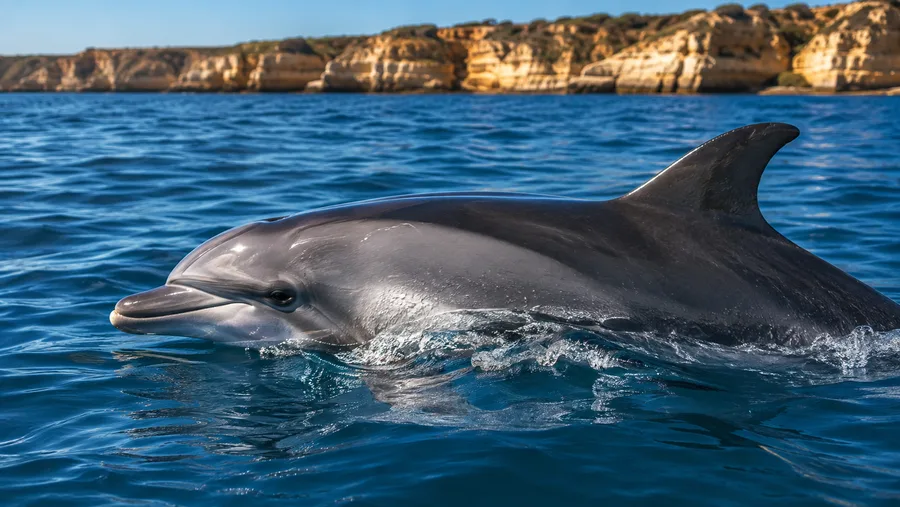
- Short-beaked common dolphin: The undisputed star of the coast, identifiable by the distinctive hourglass yellow-and-gray pattern along its flank. They travel in energetic pods of twenty to a hundred and adore bow-riding right beneath the boat's nose.
- Common bottlenose dolphin: Noticeably bigger, chunkier, and slate-gray. These are the ones people recognize from films, often seen patrolling close to harbor walls and rocky headlands in groups of six to fifteen.
- Striped dolphin: Sleeker, faster oceanic acrobats that prefer deeper water eight to fifteen miles offshore. They regularly leap three body lengths clean out of the water when traveling at speed.
- Risso's dolphin: Blunt-headed, scarred white from skirmishes with deep-sea squid, and typically spotted in the deep trenches off the western tip of the Algarve.
Diehard algarve dolphin lovers keep an eye out for transient killer whales too. Every year between July and October, small groups of Iberian orcas move past the southern coast following the bluefin tuna run from the Mediterranean into the Atlantic. If you want to dive deeper into the larger cetaceans passing through these waters, take a look at our guide to whale watching in the Algarve for seasonal migration timing.
Departure Harbors: Does Location Change Your Odds?
Where you board your vessel matters. The western corner around Sagres gives instant access to raw, deep Atlantic water without having to motor for an hour. Tours leaving from the fishing harbor at Baleeira find themselves in rich cetacean habitat within ten minutes of clearing the breakwater. You can learn about the logistics of these western routes in our detailed breakdown of dolphin watching across Sagres, Faro, and Portimão.
Central harbors like Albufeira, Vilamoura, and Portimão require a longer run out to sea. The sandy continental shelf slopes gently away from the coast, so boats must run south for three to seven miles before reaching the depths where dolphins hunt. What you lose in immediate deep-water access, you gain in comfort. The central coast is protected from heavy northwesterly Atlantic swells by Cape St. Vincent, making the ride significantly smoother for families and casual travelers.
Here is what to weigh when selecting your harbor:
- Sagres: Best for deep-sea biodiversity and sheer wildness, but subject to brutal wind and strong swell.
- Lagos: The best all-rounder, offering fast RIB rides out toward open ocean along with scenic views of Ponta da Piedade's sandstone arches. Check our Lagos dolphin watching and boat tours guide for harbor details.
- Portimão: Great access to the Arade river mouth, with large catamarans that comfortably handle the transition into open sea.
- Albufeira and Vilamoura: Ideal for travelers based in central resorts who want combined itineraries featuring dolphins and sea caves.
Planning Tips for a Smooth Trip Offshore
People step onto boats wearing flip-flops and tank tops because it was 28 degrees at their hotel pool. Thirty minutes later, racing through ocean air at 20 knots, they are shivering uncontrollably. The open Atlantic feels at least seven degrees colder than the mainland shore. Wind chill cuts right through light cotton t-shirts.
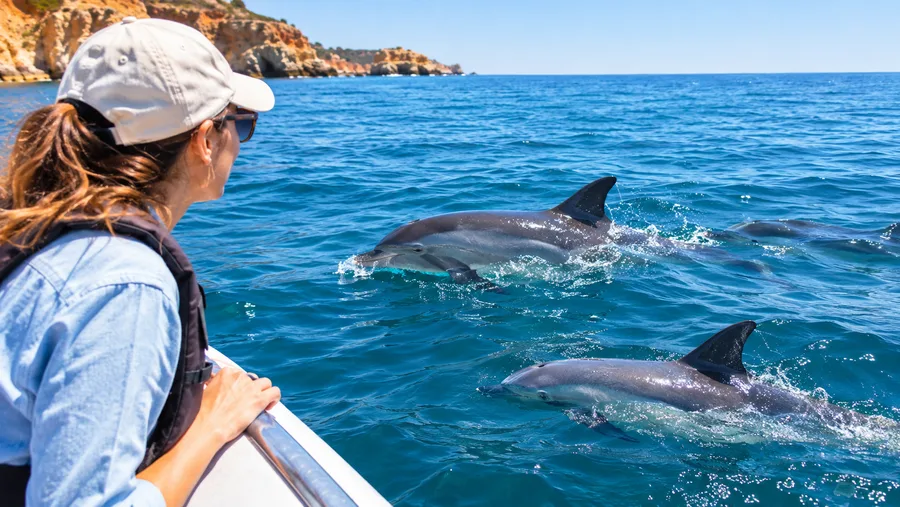
Always bring a windproof jacket or a dense fleece, even in August. Put sunscreen on your neck, chin, and ears before boarding. The glare bouncing off the water burns pale skin twice as fast as laying on a beach towel. Polarized sunglasses make a startling difference out there; standard dark lenses cut brightness, but polarized lenses cut the surface reflection, letting you see dolphins swimming beneath the water three seconds before they break the surface.
If you take motion sickness medication, swallow it at least an hour before stepping onto the pontoon. Popping a pill once the boat starts rolling in the ocean swell does nothing because your stomach has already stopped absorbing it properly.
Frequently Asked Questions about best time for dolphin watching in algarves
What is the absolute best time for dolphin watching in algarves waters?
The sweet spot runs from June through September on departures booked between 8:30 AM and 10:00 AM. This window pairs calm summer sea conditions with peak fish runs and avoids the rough thermal afternoon winds.
Can you see dolphins in the Algarve during winter?
Yes. Common dolphins and bottlenose dolphins live along the southern Portuguese coast all year. Sighting success remains around 70% on calm winter days, though rough ocean swells cause more weather cancellations between November and February.
Are there toilets on the dolphin watching algarve boats?
Large catamarans and family excursion boats almost always have marine toilets on board. Fast rigid inflatable boats (RIBs) and speed boats do not have restrooms, so you should use the marina facilities before boarding.
Do dolphin tours guarantee sightings?
Most reputable operators boast a 90% to 95% sighting rate from May to October. Many offer a free second voucher or partial refund if you do not spot cetaceans, but dolphins are wild animals and sightings can never be 100% guaranteed.
Quick Reference
- Prime season: June through September (over 90% sighting success)
- Best departure time: 8:30 AM to 10:00 AM (flattest water)
- Water temperature: 15°C (winter) to 21°C (late summer)
- Speed boat perks: faster pod interception, no onboard toilets
- Catamaran perks: stable platform, shade, restrooms on deck
Book your dolphin watching algarve experience:
Before You Go
Do not leave your dolphin excursion for the final afternoon of your holiday. Ocean conditions dictate the schedule along this coast, and skippers will not hesitate to scrub departures when winds spike. Book your trip for one of your first mornings in the Algarve. That gives you plenty of wiggle room to rebook if rough seas or dense morning fog push your slot back a day or two. Throw a warm layer into your daypack, grab a morning coffee by the docks, and give yourself the best possible chance to watch wild dolphins run across the blue Atlantic.
Read more about dolphin watching algarve.